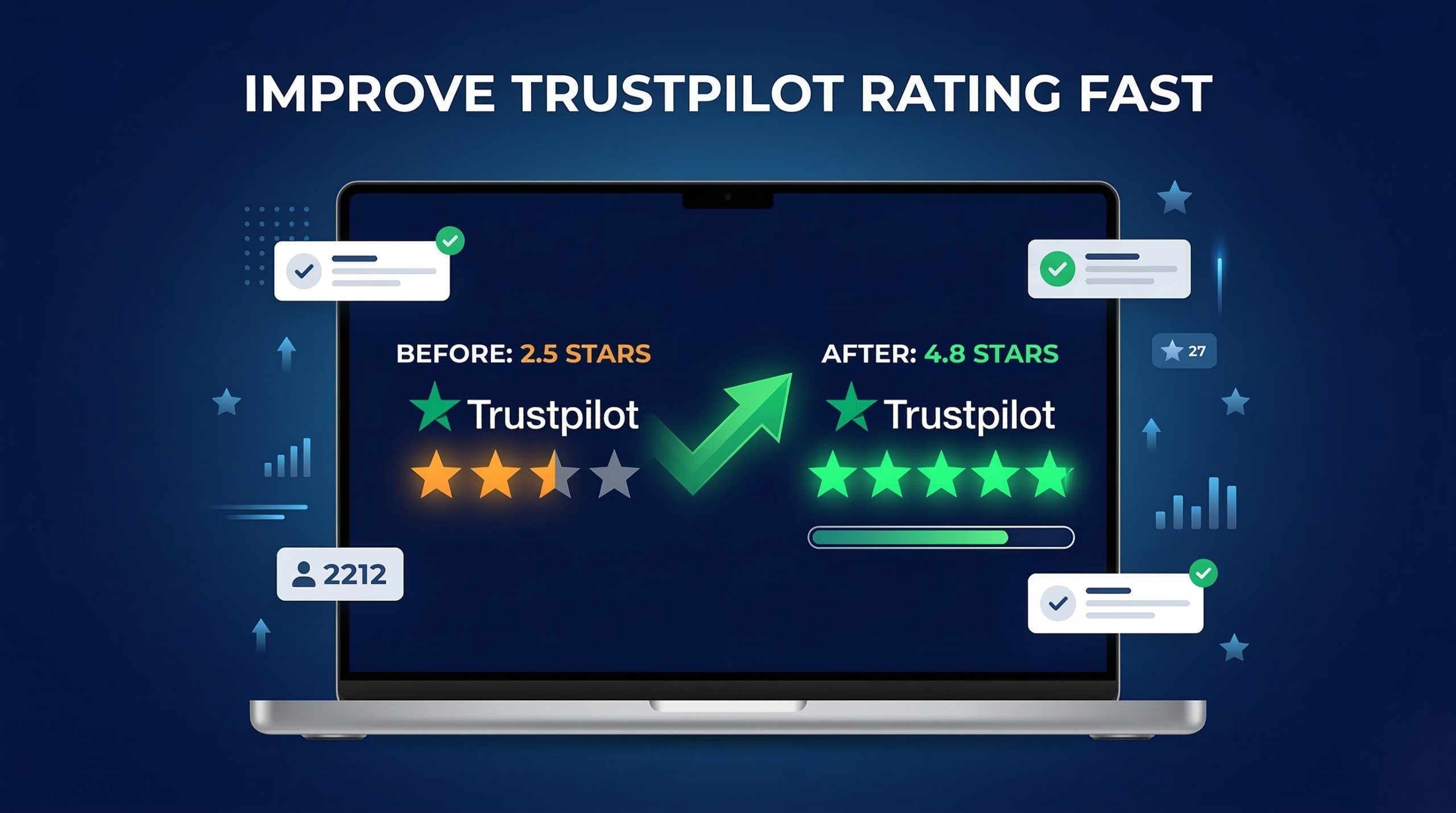
Best Reputation Management Strategy for Shopify Stores (Complete Guide for 2026)
Introduction
Running a Shopify store is easier than ever — but standing out and building trust is harder than ever.
With thousands of competing stores, customers don’t just look at your product. They look at your reputation.
Before making a purchase, most buyers search for reviews, ratings, and real customer experiences on platforms like Trustpilot.
That’s why having a strong reputation management strategy is essential for every Shopify store in 2026.
In this guide, you’ll learn exactly how to build, manage, and scale your brand reputation to increase sales and customer trust.
⭐ What Is Reputation Management in Ecommerce?
Reputation management is the process of controlling and improving how your brand is perceived online.
For Shopify stores, this includes:
- Customer reviews
- Ratings and feedback
- Social proof
- Customer support experience
👉 Your reputation directly impacts your sales performance.
💡 Why Reputation Matters for Shopify Stores
Customers are more cautious than ever.
They ask:
- “Is this store legit?”
- “What do other customers say?”
- “Can I trust this brand?”
👉 A strong reputation helps you:
- Increase conversion rates
- Reduce cart abandonment
- Build long-term customer trust
- Stand out from competitors
🚀 Best Reputation Management Strategy for Shopify Stores
1. Deliver an Outstanding Customer Experience
No strategy works without a great customer experience.
Focus on:
- Fast and reliable shipping
- Clear product descriptions
- Easy return policy
- Responsive customer support
👉 Happy customers naturally leave positive reviews.
2. Build a Strong Review System
Reviews are the foundation of reputation.
Use platforms like Trustpilot to:
- Collect real customer feedback
- Show transparency
- Build credibility
👉 More quality reviews = more trust
3. Ask for Reviews Strategically
Don’t wait for customers to leave reviews — ask for them.
Best timing:
- After delivery
- After positive feedback
- After issue resolution
👉 A simple request can double your review rate.
4. Respond to Every Review
Engagement shows professionalism.
- Thank positive reviewers
- Handle negative feedback carefully
- Show empathy and solutions
👉 Customers notice how you respond, not just what they say.
5. Handle Negative Reviews Smartly
Negative reviews are unavoidable — but they can be powerful.
👉 When handled properly:
- They build transparency
- They increase trust
- They show accountability
👉 Always stay calm, professional, and solution-focused.
6. Showcase Social Proof Everywhere
Don’t hide your reviews — highlight them.
Add:
- Trust badges
- Customer testimonials
- Star ratings on product pages
👉 Social proof directly increases conversions.
7. Maintain Consistency Across Channels
Your brand reputation should be consistent everywhere:
- Website
- Social media
- Review platforms
👉 Consistency builds credibility.
8. Monitor Your Brand Regularly
Keep track of what people are saying about your store.
👉 Monitor:
- New reviews
- Customer complaints
- Brand mentions
👉 Quick action prevents bigger problems.
9. Use Automation for Efficiency
Manual management becomes difficult as your store grows.
That’s why many successful Shopify brands use solutions like Revpilot.
With the right system, you can:
- Automate review requests
- Respond faster
- Maintain consistency
- Improve customer experience
10. Turn Reviews into Marketing Assets
Your reviews are powerful marketing tools.
👉 Use them in:
- Ads
- Landing pages
- Social media
- Email campaigns
👉 This increases trust and boosts conversions.
📈 Results You Can Expect
With the right reputation strategy, Shopify stores often see:
- Higher conversion rates
- Increased customer trust
- More repeat customers
- Stronger brand identity
👉 Reputation becomes your competitive advantage.
🚫 Common Mistakes to Avoid
- Ignoring customer feedback
- Using fake reviews
- Delayed responses
- Inconsistent communication
👉 These mistakes can damage your brand quickly.
🏁 Conclusion
In today’s competitive ecommerce world, reputation is everything.
A strong reputation management strategy helps your Shopify store build trust, increase conversions, and grow sustainably.
Focus on customer experience, reviews, and consistency — and your brand will stand out.
📣 Call To Action
Want to build a powerful reputation and increase your Shopify sales?
Discover how Revpilot can help you collect, manage, and optimize your reviews — so you can turn customer trust into real growth.